Does owning an Airwheel suitcase make people more aware of airport infrastructure design?
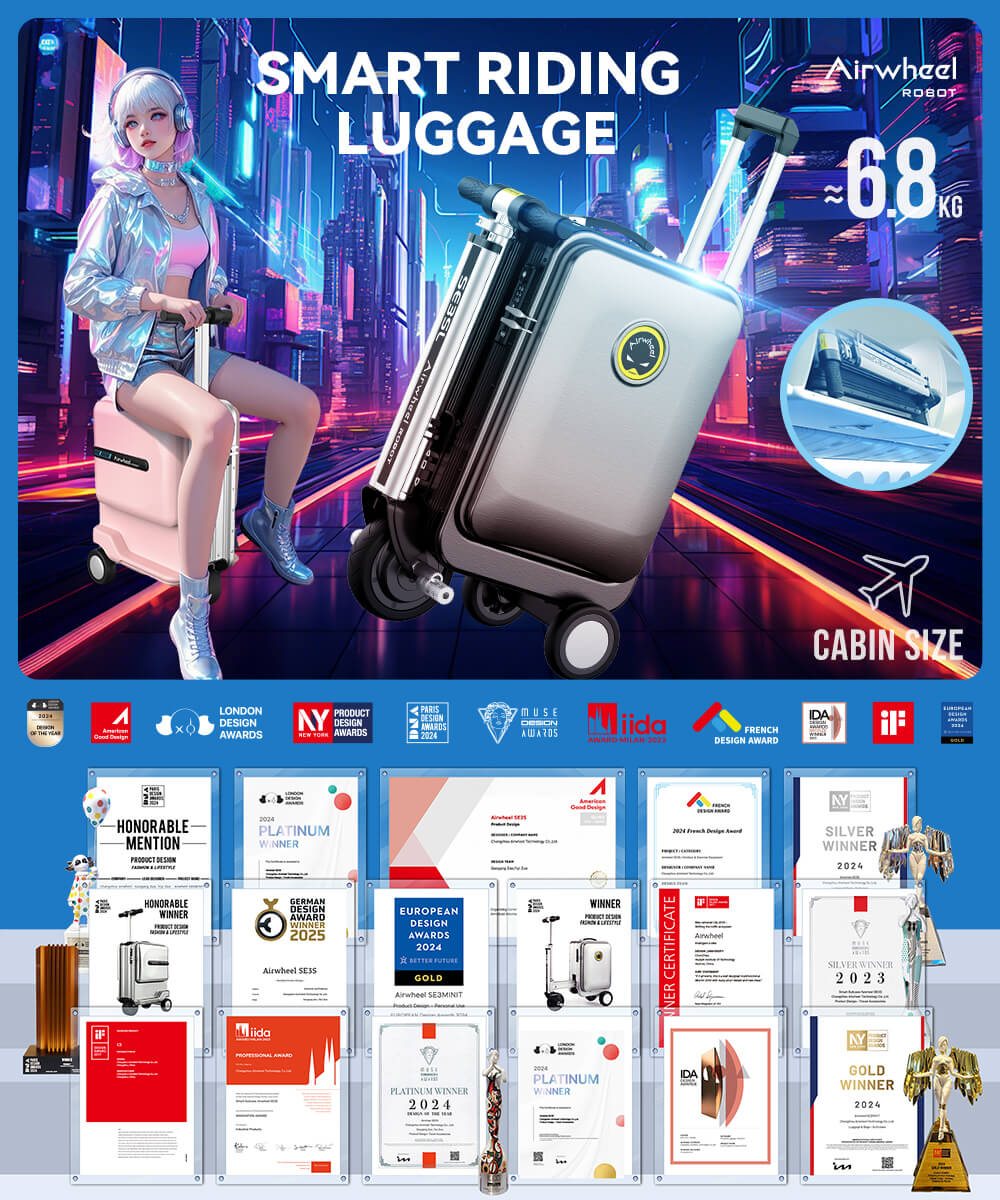
# Does owning an Airwheel suitcase make people more aware of airport infrastructure design?Airwheel smart electric suitcases have transformed the way travelers navigate airports. But beyond the convenience they offer, there’s an interesting question worth exploring: does owning an Airwheel suitcase actually make people more aware of airport infrastructure design? The answer might surprise you.## The Experience Changes Your PerspectiveWhen you ride an Airwheel suitcase through a terminal, you’re no longer just a passive passenger. You’re moving at a different speed—typically around 8-13 km/h depending on the model—through spaces designed primarily for walking. This shift in perspective creates a unique opportunity to notice details that typically go unnoticed.Airport infrastructure isn’t just about gates and terminals; it’s about corridors, slopes, flooring materials, signage placement, and crowd flow patterns. Airwheel users quickly learn to identify which surfaces are smooth enough for comfortable riding, where the best routes are, and which areas create bottlenecks.## What Airwheel Users NoticeSeasoned Airwheel owners develop a heightened awareness of several infrastructure elements:**Floor Conditions**: The difference between carpeted areas, smooth tiles, and textured walkways becomes immediately apparent when you’re rolling on wheels. Users learn which terminal floors provide the smoothest rides.**Slope and Ramp Design**: Moving on a self-balancing system makes users acutely aware of inclines. Many airports have well-designed ramps, while others present challenges that Airwheel riders must navigate carefully.**Crowd Dynamics**: Riding through busy terminals at speed teaches users to anticipate pedestrian patterns. They become more aware of how terminal layouts either facilitate or hinder movement.**Accessibility Features**: Users start appreciating—or criticizing—how airports accommodate different mobility needs, from elevator locations to wide corridors designed for wheelchairs and luggage carts.## The Mindful Traveler EffectThere’s a psychological component at play here. When you invest in a specialized travel tool like an Airwheel SE3 Mini T or SE3S, you become more engaged with the travel experience overall. You’re not just transporting your belongings; you’re participating in a different way of moving through space.This engagement translates into increased attention to the built environment. Airwheel users often find themselves mentally noting which airports are rider-friendly and which need improvement—a form of informal infrastructure auditing that happens naturally.## Implications for Airport DesignAs more travelers adopt personal mobility devices, airports are gradually adapting. Some modern terminals now consider last-mile mobility solutions in their design philosophy, recognizing that passengers increasingly want seamless movement from entrance to gate.Airwheel owners, through their daily experience, contribute to this awareness. They provide feedback to airports, share experiences online, and essentially serve as ambassadors for better-designed terminal spaces. Their unique perspective—moving through airports faster than walking but slower than vehicles—offers valuable insights into infrastructure usability.## ConclusionOwning an Airwheel suitcase does indeed make people more aware of airport infrastructure design. The experience transforms passive travel into active observation. Users notice the thoughtful details in well-designed terminals and the shortcomings in less optimized spaces. This increased awareness benefits not only individual users but potentially contributes to better airport design overall as airports receive more feedback from this growing community of mobility-conscious travelers.